Matthew 25 Gets Real
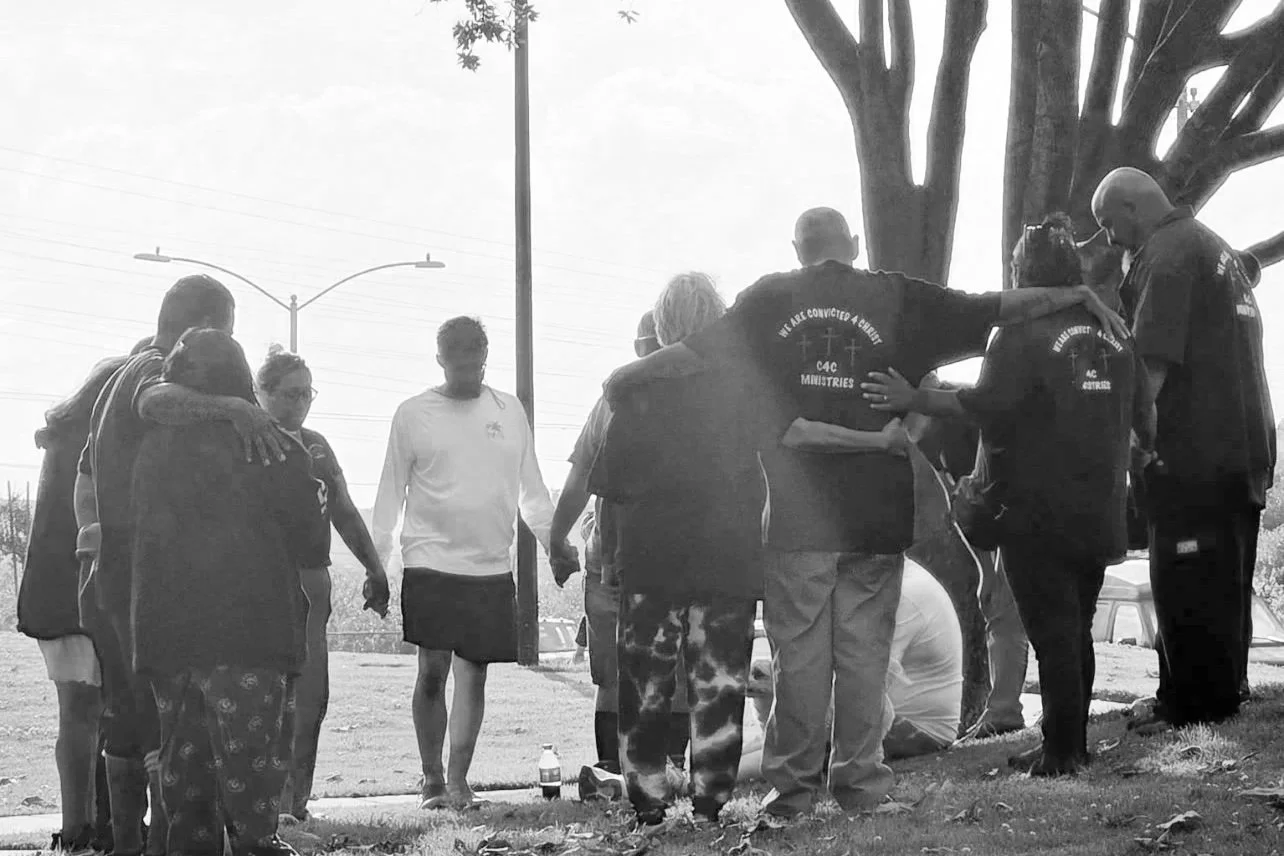
I think James and Matthew 25 are deeply connected, but they come at the poor from two slightly different angles.
In the book of Book of James, the emphasis feels very direct, practical, and almost confrontational. James doesn’t really allow us to spiritualize compassion. He pushes it into the everyday. If someone is hungry and cold, you don’t just say “be warmed and filled.” You do something. Faith becomes visible through action.
James is almost exposing the hypocrisy of a faith that talks about Jesus while remaining untouched by the suffering of people nearby. He is concerned with the integrity of the believer. Is our faith real enough to inconvenience us? Is it embodied? Is it tangible?
Then you move over to Gospel of Matthew 25:31–40, and the lens becomes even more mysterious and profound.
Jesus says:
“Whatever you did for one of the least of these brothers and sisters of mine, you did for me.”
Now the poor are not merely people we are called to help. They become a place of encounter with Christ Himself.
That is a huge shift.
James says:
“If your faith is real, it will move toward the poor.”
Matthew 25 says:
“When you move toward the poor, you are moving toward Jesus.”
One is almost diagnostic.
The other is sacramental.
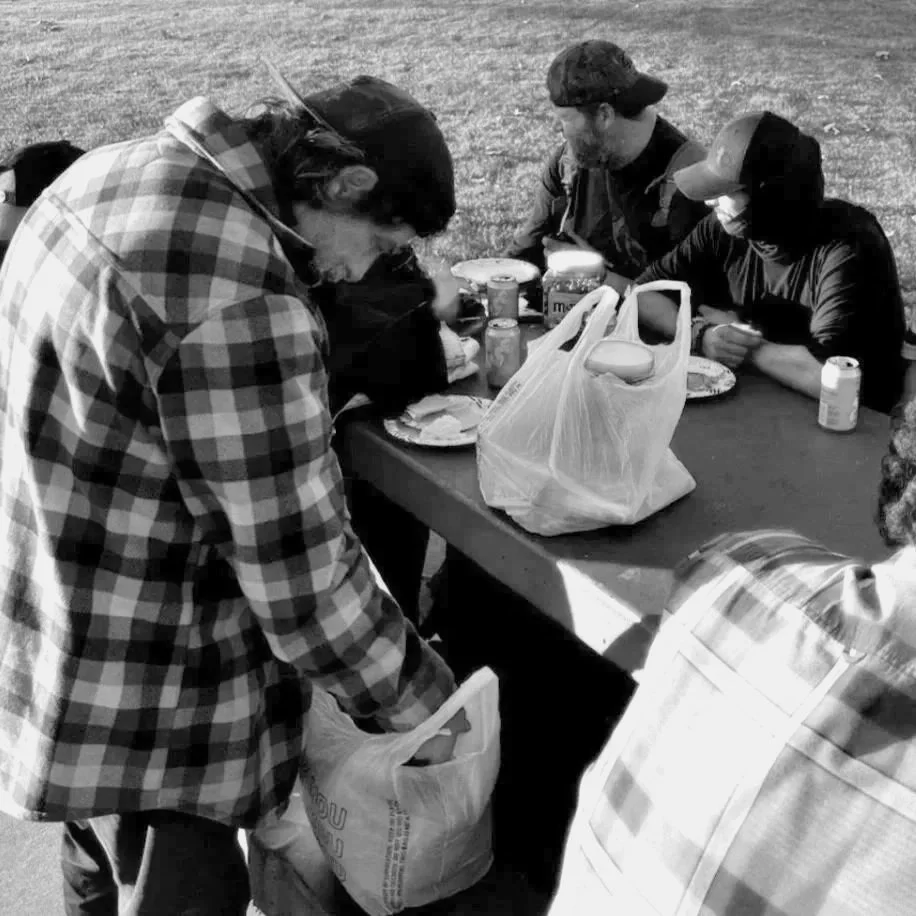
I think this is where a John Mark Comer lens becomes really powerful. Comer talks a lot about slowing down enough to become present to God and present to people. In modern culture we tend to treat the poor as projects, interruptions, statistics, or social problems to solve. But Jesus continually treated people as persons to be loved and seen.
Matthew 25 reframes ministry entirely. The poor are no longer obstacles on the way to our spiritual life. They become part of the spiritual life itself.
That connects deeply with what you guys do through Convicted 4 Christ. So much of your ministry is not built around “fixing” people quickly. It’s presence. Meals together. Remembering names. Sitting at tables. Walking encampments. Showing up over and over again. That’s very Matthew 25.
And I think Dallas Willard would probably say that both James and Matthew 25 are describing what naturally flows out of a transformed heart.
Willard was always careful to say that salvation is not earned through works. But he also taught that apprenticeship to Jesus changes the type of person we become. Compassion stops becoming a religious obligation and starts becoming the natural overflow of a life with Christ.
So in a Willard framework:
James is showing us what transformed faith looks like externally.
Matthew 25 is showing us the hidden reality behind compassionate action — that Christ is mysteriously present among “the least of these.”
James challenges dead faith.
Matthew reveals sacred presence.
And honestly, I think the tension is important because churches often drift into one side or the other.
Some churches become very justice-oriented but lose intimacy with Jesus.
Others become very devotional but disconnected from suffering people.
But in the Kingdom, the two are inseparable.
You cannot love Jesus while ignoring the poor standing in front of you.
And you cannot truly walk with the poor without eventually encountering Jesus there too.
That’s probably why some of the most spiritually alive moments in ministry don’t happen on stages. They happen over folding tables, in parking lots, outside liquor stores, under tarps, beside hospital beds, or while handing somebody a sandwich and learning their name.
That’s where Matthew 25 stops being theory and starts becoming real.