The Choices We Never Had to Make
Something I’ve given a lot of thought to over the years is how quick we can be to look at somebody’s life and decide where they went wrong. The truth is, most of us are judging the final chapter while having never read the rest of the book.
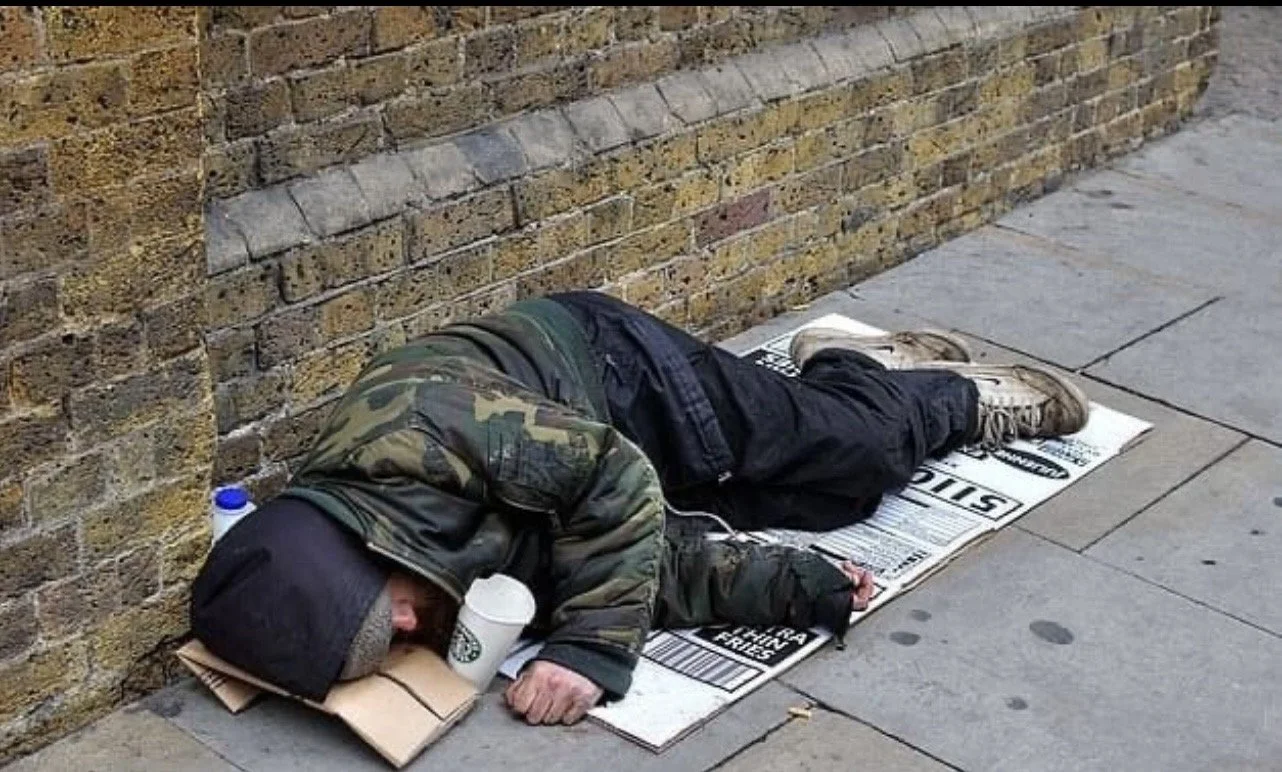
We see addiction, homelessness, broken relationships, prison, poor decisions, and somehow convince ourselves that if we had been in their shoes we would have chosen differently. Maybe we would have. Then again, maybe we wouldn’t. The reality is we usually have no idea what was standing in front of somebody when they made the choices they made. We don’t know what they were carrying, what they were running from, what doors had already been slammed in their face, or how many nights they spent feeling like they had nowhere left to turn.
I think about the choices I was left with at a young age, and then I think about the choices some other people were handed. Recently, I was talking to a young man I know, a pastor’s son, and listening to the opportunities that were laid out in front of him. Around the same time, I had a conversation with a friend of mine who has done very well in life. He graduated from what most people would probably consider an Ivy League type school. When I explained some of these thoughts to him and asked about the choices he faced growing up, he kind of laughed and said that his biggest struggle was deciding which good college he wanted to attend. I remember sitting there thinking how different that was from what many people I know were trying to figure out at the same age.
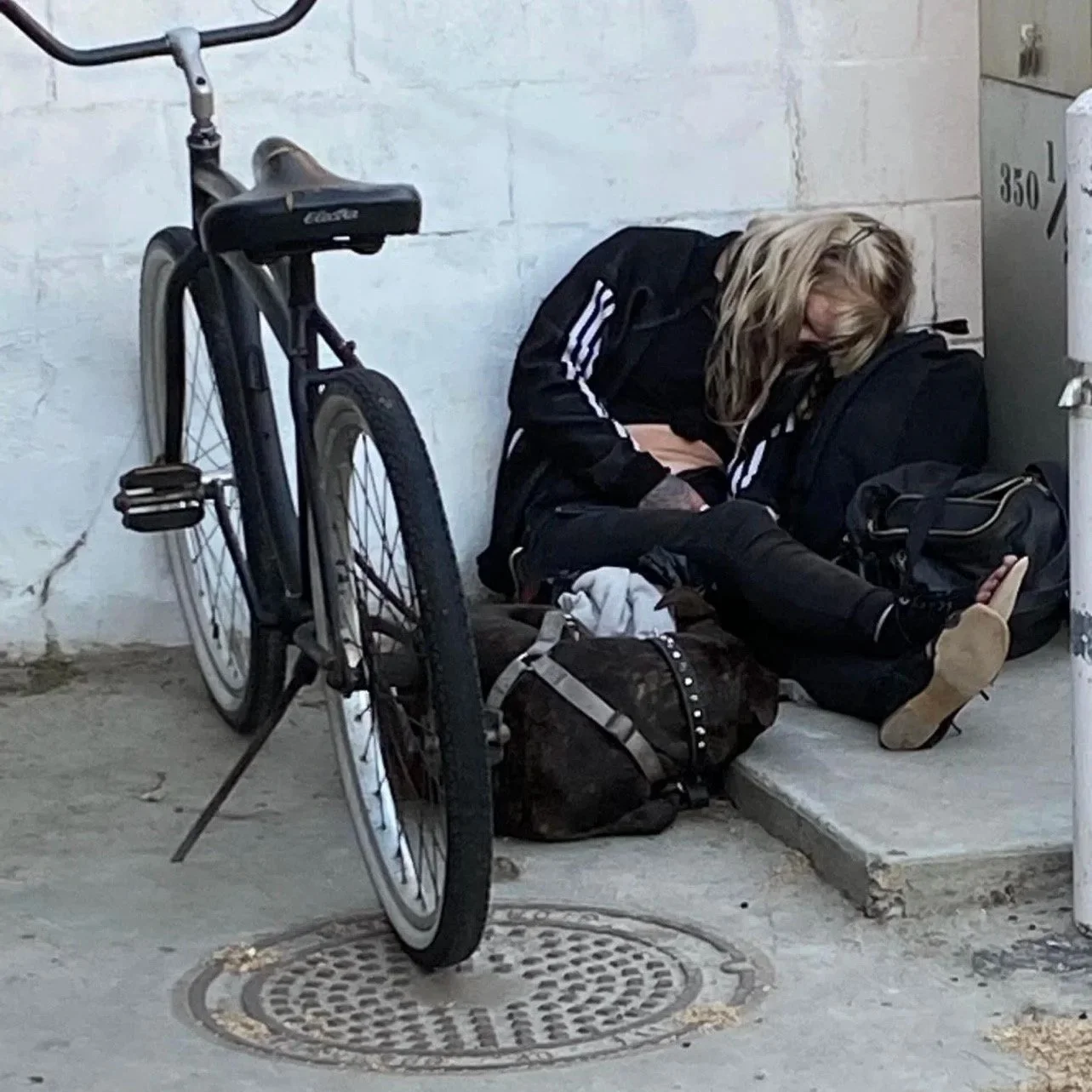
Now don’t get me wrong. People can absolutely overcome difficult circumstances. People do it every single day. I’ve seen men and women come out of addiction, homelessness, abuse, poverty, and all kinds of broken situations and build incredible lives. But I also think we do ourselves a disservice when we pretend everybody starts from the same place. A friend of mine likes to say that some people start life on third base, and it’s not very hard to score from there. That doesn’t mean they didn’t have to run. It doesn’t mean they didn’t work hard. It just means they weren’t starting from the parking lot trying to figure out how to even get into the stadium.
Having spent years on the streets myself, I can tell you that a lot of people are judging situations they’ve never lived through. I have watched people make decisions that looked crazy from the outside, but when you sat down and listened to their story, you realized they weren’t choosing between good and bad. They were choosing between bad and worse. Sometimes the choice wasn’t really a choice at all. Sometimes what we call a bad decision was simply the only door that seemed open at the time.
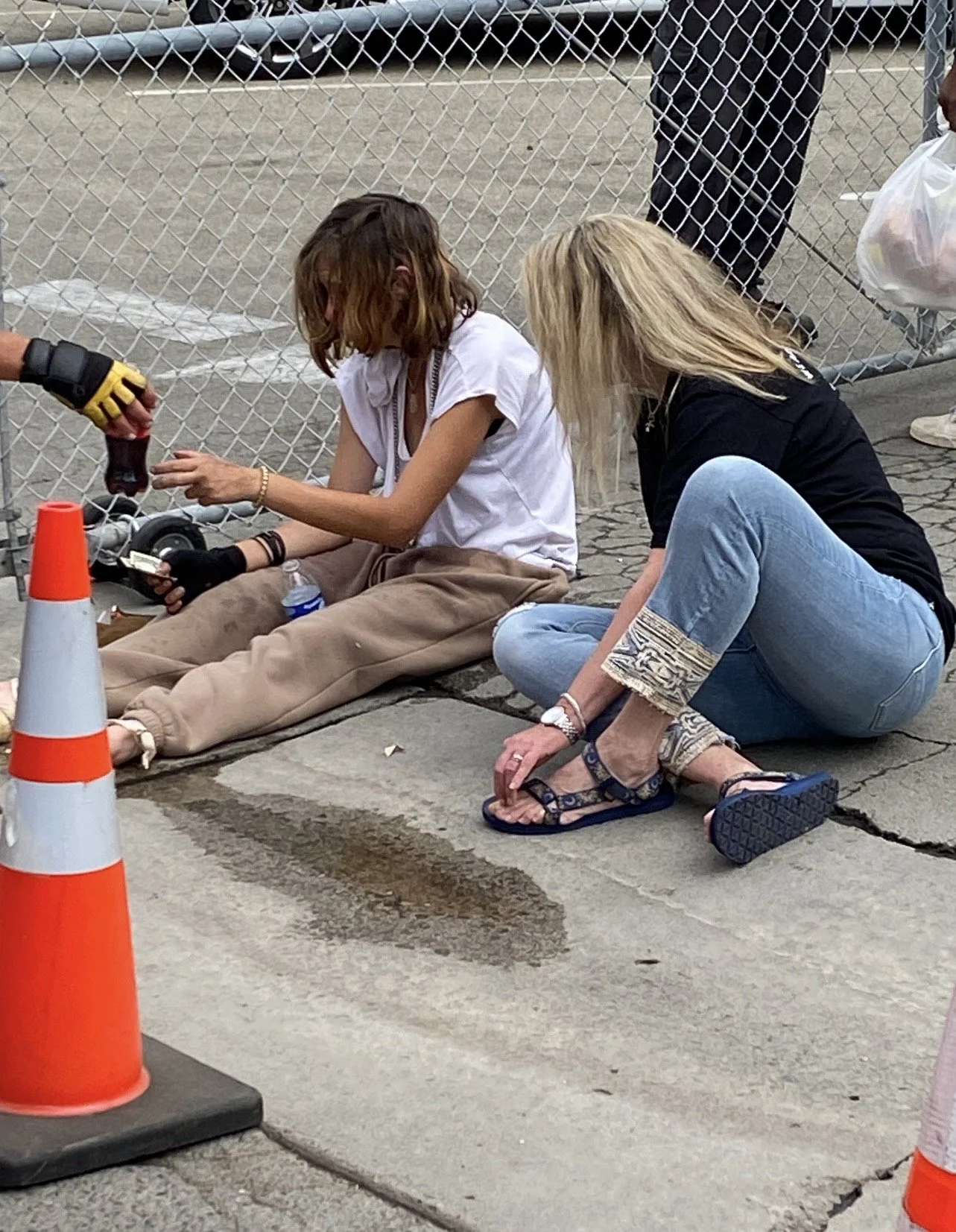
That’s one of the reasons I believe relationships matter so much. When you actually get close enough to know somebody, your judgment starts giving way to compassion. You stop asking, “What’s wrong with this person?” and start asking, “What happened to this person?” Those are two very different questions, and one of them opens the door to understanding.
The older I get, the more I realize that compassion grows when we stop comparing outcomes and start paying attention to starting points. Some people were raised in homes where stability, encouragement, education, and opportunity were just part of everyday life. Others were raised around addiction, violence, neglect, fear, or chaos. Then years later, we look at both people standing side by side and wonder why one had an easier path than the other. Sometimes what we call poor choices are really the result of a person navigating circumstances most of us have never had to face. That doesn’t remove personal responsibility, but it should create a little humility in us.
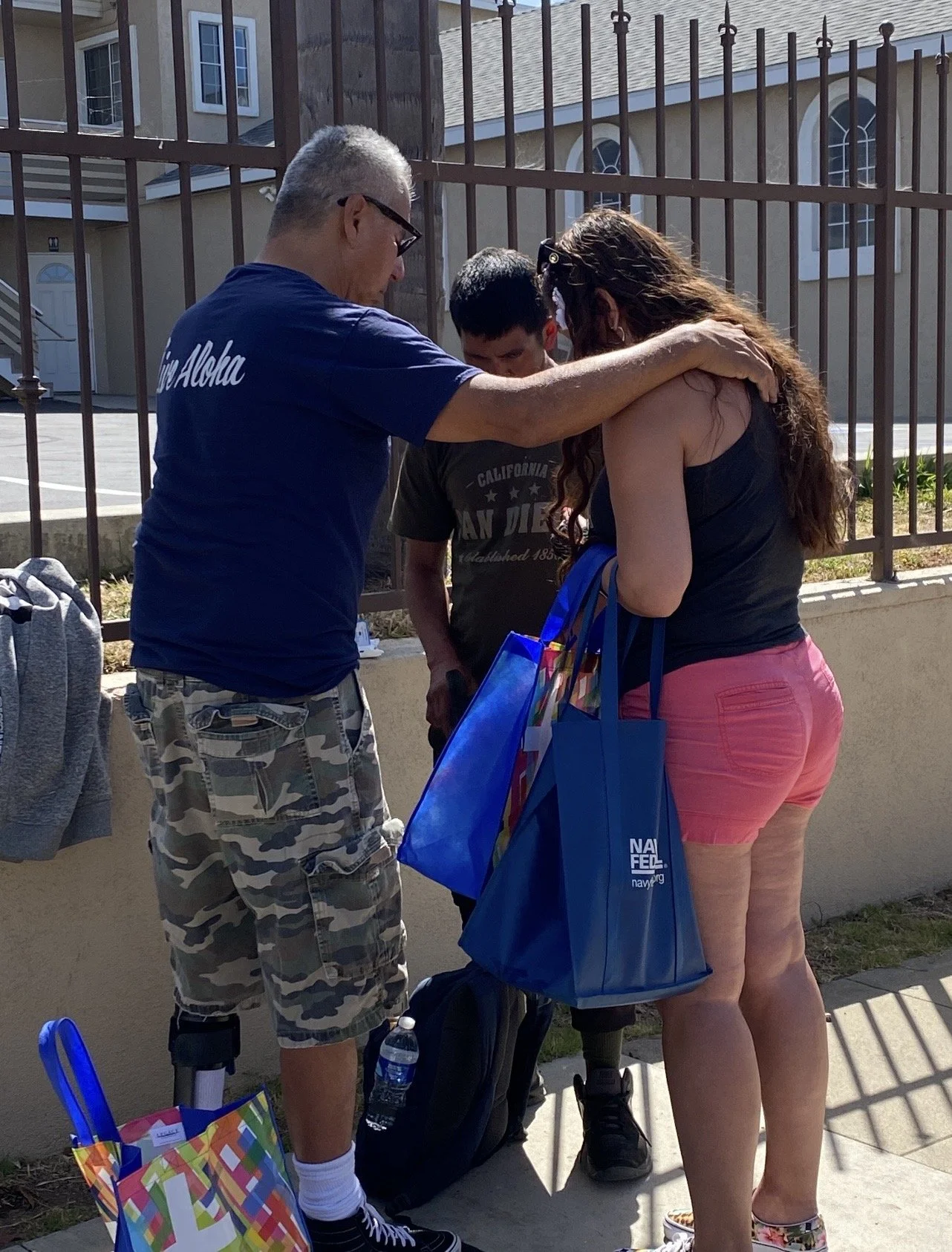
I think that’s one of the things Jesus did better than anybody. He got close enough to people to see what everybody else missed. He saw the woman at the well, the tax collector, the leper, the prostitute, and the outcast, and He wasn’t nearly as interested in their worst moment as everybody else was. He saw the whole person. The older I get, the more convinced I am that if we spent less time deciding what people deserve and more time understanding what they’ve been through, we’d probably look a whole lot more like Jesus and a whole lot less like the crowd standing around with stones in their hands.